Introduction
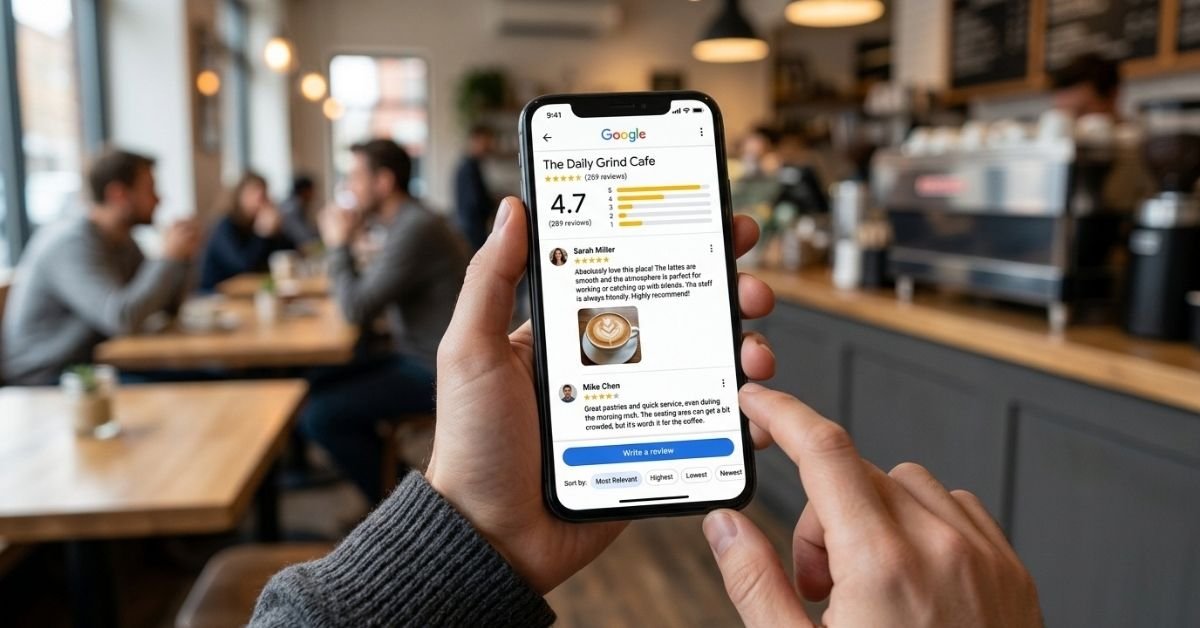
Bad Google reviews can feel damaging, especially for a local business that depends heavily on its online reputation. A one-star review may appear directly beside your business name when potential customers search for your services, and in many cases, that review becomes part of a customer’s first impression.
But a negative review does not automatically mean lost business.
In fact, the way a company responds to criticism can sometimes influence potential customers more than the original complaint itself.
Customers understand that no business is perfect. What they want to know is how a company behaves when something goes wrong. A professional, calm, and helpful response can demonstrate accountability, customer service, and confidence.
The goal therefore should not be to panic whenever a negative review appears. Instead, businesses should develop a clear reputation-management strategy for responding appropriately, resolving genuine complaints, identifying fake reviews, and encouraging a steady flow of authentic customer feedback.
For an online business or local service company, reviews should be treated as part of the overall digital marketing and customer-experience strategy.
A business with hundreds of authentic reviews will occasionally receive criticism. That is normal. A profile containing only perfect five-star reviews can sometimes look less realistic than one showing overwhelmingly positive feedback alongside a few professionally handled complaints.
The real danger comes when businesses ignore negative reviews, argue publicly with customers, attack reviewers, or attempt to manipulate their ratings you can also Buy Google Reviews UK.
Instead, the best approach is simple:
- Respond professionally.
- Understand the complaint.
- Move detailed discussions offline.
- Correct legitimate problems.
- Report reviews only when necessary.
- Continue earning authentic reviews from real customers.
Handled correctly, even a bad review can become an opportunity to demonstrate why future customers should trust your company.
Why Bad Google Reviews Matter
Google reviews are highly visible during the customer decision-making process.
When someone searches for a contractor, restaurant, landscaping company, dentist, attorney, or other local service provider, reviews may appear directly within Google Search and Google Maps.
That means customers can form an opinion about your business before ever visiting your website.
A negative review can raise concerns about issues such as:
- Customer service
- Reliability
- Pricing
- Quality
- Communication
- Professionalism
However, potential customers often read both the complaint and the business response.
That second part is where you regain control of the situation.
You cannot control everything customers write, but you can control how professionally your company responds.
How to Respond to a Bad Google Review
A good response should be calm, concise, respectful, and solution-oriented.
Avoid responding immediately when you are angry. Read the complaint carefully and determine whether the customer’s concern is legitimate before writing anything publicly.
1. Thank the Customer for the Feedback
You do not need to agree with every accusation to acknowledge the customer’s experience.
A simple opening works well:
“Thank you for taking the time to share your feedback.”
This immediately establishes a professional tone.
2. Acknowledge the Concern
If the company genuinely made a mistake, acknowledge it.
Avoid making excuses.
For example:
“We’re sorry that the communication surrounding your appointment did not meet our usual standards.”
This is significantly better than becoming defensive.
3. Do Not Argue Publicly
A Google review section is not the place for a lengthy debate.
Potential customers are watching the interaction.
Even when the reviewer is unreasonable, an aggressive response can make the business appear unprofessional.
Never insult the reviewer, question their intelligence, reveal private customer information, or write an emotional paragraph defending every detail of the transaction.
4. Move the Conversation Offline
Invite the reviewer to contact the business directly.
For example:
“Please contact our office at [phone/email] so we can review what happened and work toward a resolution.”
This demonstrates willingness to solve the problem without conducting the entire dispute publicly.
Example Response to a Negative Google Review
A professional response could look like this:
“Hi Sarah, thank you for sharing your feedback. We’re sorry to hear that your experience did not meet your expectations. Providing reliable service and clear communication is extremely important to our team. We would appreciate the opportunity to understand what happened and see how we can help. Please contact us directly at [contact information] so we can discuss this further.”
Notice what this response does not do.
It does not admit to facts that have not been verified.
It does not attack the customer.
It does not promise compensation publicly.
And it shows future customers that the business takes complaints seriously.
What If the Review Is Fake?
Not every negative review represents a genuine customer experience.
Businesses sometimes receive spam, competitor attacks, mistaken-identity reviews, irrelevant complaints, or other content that may not represent a real customer interaction.
If you believe a review is fake:
- Open your Google Business Profile.
- Locate the review.
- Use the available reporting option.
- Select the most appropriate reason.
- Submit the report.
- Monitor the review status.
While the review is being evaluated, consider posting a calm response rather than accusing the reviewer publicly.
A response such as this can work:
“We’re unable to locate a customer record matching this experience. Please contact us directly so we can investigate the situation.”
This protects your business while remaining professional.
Should You Ask the Customer to Delete a Bad Review?
You can attempt to resolve the underlying problem and allow the customer to decide whether they want to update their review.
What you should not do is pressure the customer, become aggressive, or make the entire interaction about removing the review.
A better marketing strategy is to solve the customer’s concern genuinely.
After resolving the issue, you might say:
“We appreciate the opportunity to make this right. If you feel your experience has changed, you’re welcome to update your feedback.”
Do not pressure them.
Build Enough Positive Reviews to Reduce the Impact
The strongest long-term defense against an occasional negative review is a consistent stream of genuine customer reviews.
After completing a successful transaction, send customers a simple message:
“Thank you for choosing us. If you have a moment, we’d appreciate hearing about your experience on Google.”
Then include your direct review link.
The more authentic reviews your business receives over time, the less damaging one isolated negative review becomes.
Reputation Management and 2026 Trends
Among important 2026 trends, businesses are increasingly using automation and AI to monitor reviews, identify customer sentiment, organize feedback, and notify teams when a new complaint appears.
Automation can be useful, but responses should still feel human.
Avoid allowing AI to publish generic responses such as:
“We regret your inconvenience and value your feedback.”
Potential customers can recognize repetitive corporate language.
Use technology to make reputation management faster, but personalize the final response around the customer’s actual concern.
Businesses can also integrate reputation monitoring with SEO tools, customer relationship management platforms, and analytics systems to identify recurring service problems.
If five customers complain about communication, for example, the solution is not simply better review responses.
The company needs better communication.
Useful Tools for Managing Online Reputation
Several tools can support your review and digital marketing strategy:
- Google Business Profile
- Google Analytics
- SEMrush
- BrightLocal
- Birdeye
- Podium
- Mailchimp
Tools can make reputation management easier, but technology cannot replace good customer service.
Mistakes to Avoid When Responding to Bad Reviews
Never:
- Attack or insult the reviewer.
- Write an emotional response.
- Reveal private customer information.
- Copy and paste identical responses everywhere.
- Purchase fake positive reviews.
- Pressure customers to remove negative feedback.
- Report legitimate criticism simply because it hurts your rating.
- Ignore serious complaints.
Protecting your reputation requires authentic reputation management, not manipulation.
Frequently Asked Questions
Should I respond to every negative Google review?
In most cases, yes. A thoughtful response demonstrates that your business listens to customers and takes concerns seriously.
Can Google remove a bad review?
Some reviews can be removed when they violate platform rules or appear to be fake, spam, irrelevant, or inappropriate.
What should I say in a response to a one-star review?
Thank the reviewer, acknowledge the concern without becoming defensive, offer to investigate the situation, and provide a way to contact your business privately.
Should I apologize even if the customer is wrong?
You can express regret about their experience without admitting wrongdoing.
For example:
“We’re sorry to hear that your experience didn’t meet your expectations.”
How quickly should a business respond?
Respond as soon as reasonably possible after investigating the complaint. For many businesses, responding within approximately 24–48 hours is a practical internal target.
Can negative reviews hurt SEO?
Reviews can affect customer trust and local visibility. The biggest immediate concern is often conversion: whether potential customers decide to contact your company after reading the review.
How can I prevent bad reviews?
You cannot eliminate negative feedback completely. Instead, improve communication, set clear expectations, resolve problems quickly, train employees well, and consistently ask customers for genuine feedback.
Should I ask customers for Google reviews?
Yes. Asking real customers for honest feedback is one of the best ways to strengthen your online reputation.
Conclusion
Bad Google reviews UK do not have to cost your business future customers. Respond professionally, resolve legitimate concerns, monitor your reputation, and continually earn authentic feedback. A thoughtful reputation-management system can turn criticism into an opportunity to demonstrate professionalism, improve customer service, and strengthen your online reputation.