Most people think content is remembered primarily due to what they saw, but audio is integral in making content and creating an experience that feels real and is interesting. You are able to express emotion and even conjure up feelings and thoughts in narrative content, and jokes can actually hit harder in comedy thanks to timed audio. Audio background elements like music, audio, and sound effects can anchor a scene and help it stick in your memory. Before, creators had to use many different solutions and often spend lots and lots of time to record, organize, and edit audio. Now, with Seedaudio 2.0 in Dreamina, creators can make it a low-effort process to make elements of audio using AI. Podcasters, video creators, writers, and marketers can finally give their creative vision of audio without causing the whole process to bloat.
Why Audio Production Can Be Hard
Creating audio content that is of a good enough quality to be publishable is not actually as easy as it seems. For a quality recording, a creator would need a good recording mic and recording space with as little external sound as possible. A creator would also need editing AND audio/video software, background music, audio effects, and a lot of time to clean, cut, adjust, and mix each piece of the audio. AI audio technology can eliminate most of this work.
A Unique Approach for Starting a Project
Typically, the first step of audio production is recording, but with AI, the first step could be describing the scene. Creators can describe a scene, supply sample audio, or provide reference video. AI uses this information to draft the appropriate audio. As a result, the first step of production is no longer, “How can I record this?”, but rather “What should this scene sound like?”
From Instructions to Complete Audio
AI can draft the appropriate audio based on the text description of the audio a creator wants. Terms can describe the vocal style, the mood of the scene, the environment, or the kind of background music. More defined directions give AI a greater sense of the direction of the creator’s thoughts. This makes the technology feasible for a creator who has thoughts and ideas but lacks formal training in audio production.
Creating Appropriate Speech for Specific Scenarios
Different scenes call for specific kinds of speech. A casual conversation may necessitate relaxed speaking. For more dramatic scenes, there needs to be more emotional depth. For an advertisement, there may need to be a clear, confident voice. For educational content, there may need to be a calm voice that makes it easier to understand. AI audio generation software gives creators a chance to try different things without needing to change different recording setups.
Guidance for Existing Voices
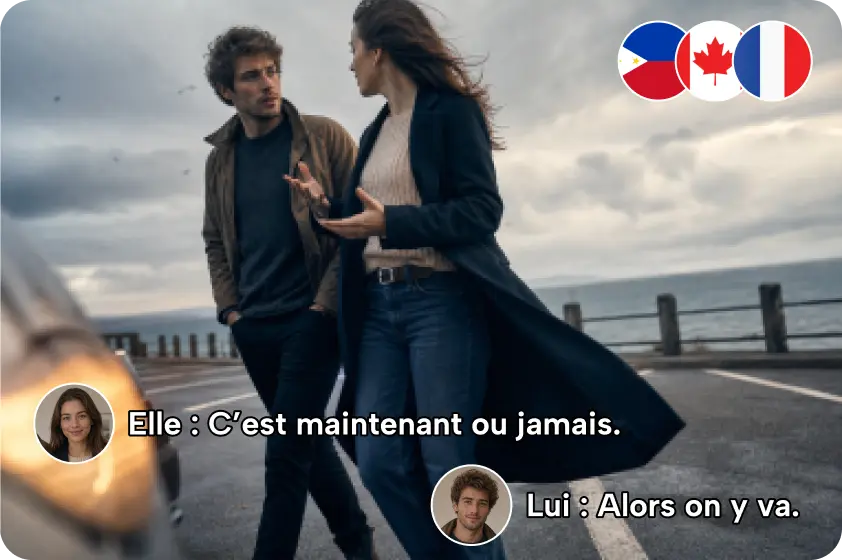
For creators who already have an example of the voice they want, reference audio can be helpful. It allows creators to avoid the maze that is expressing each and every want through text. It can express things like accents, moods, speeds, emotional styles, and other intonations and resonances.
Music is an Instant Mood Shifter
Seedaudio 2.0: Music has the ability to adjust the attitude of the person consuming the media. Slow music evokes contemplation while fast and energetic music does the opposite. The use of suspenseful music or sounds slowly building to a release creates anticipation. The use of AI-generated music or audio constructs can help creators determine the tone and determine what truly serves the intent of their work.
Easy Access Writing For Everyone
Text-to-audio interfaces are not limited to creators of content. Writers can also use these interfaces to bring the scenes of their stories to life and create conversational dialogue and atmospheric sounds. This can bring a greater level of accessibility to audio for those who would rather not read a work of literature.
Helping Small Teams Do More
Production companies often have the resources to split up the tasks of recording, editing, and designing. Small teams do not have the luxury of the same amount of specialization. AI tools add more flexibility to smaller teams for their creative spaces. This means that a single creator can focus on a variety of components of audio production without having to assemble multiple resources at the beginning.
Experimenting With Game Audio
Sound and audio are vitally important for games as players are interacting with a digital world rather than observing it. An immersive game can have character dialogue, environmental sounds, action effects, and background music. Game Devs can even use AI-generated sound in their testing phase while their game is still in an early state and prior to finalizing the audio for the game.
Timing Is Everything When It Comes To Building A Scene
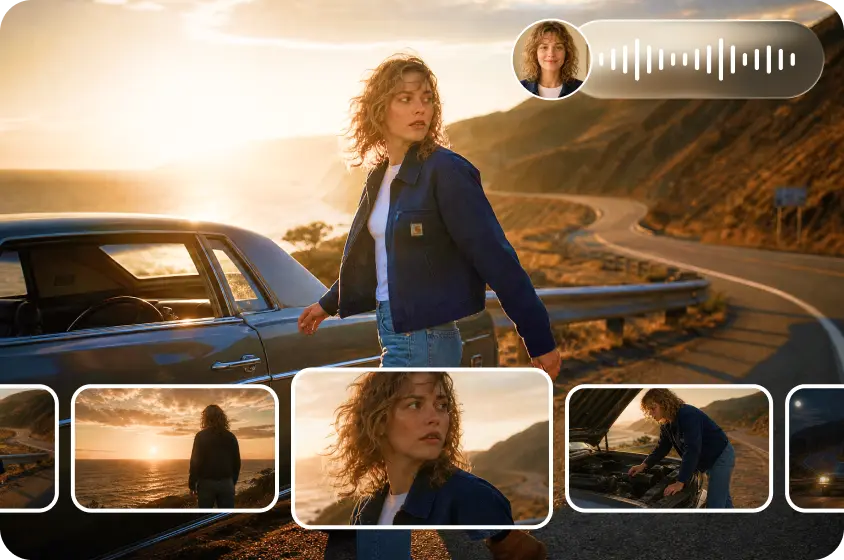
It isn’t just what happens, but when something happens, that can make a difference to how it fits into a scene. If a door creaks as it opens, that opening should have been animated previously. Something shouldn’t be said at the same time as an action happens on screen, unless that’s what the action is. The music for a stroke of importance shouldn’t come in once the important line is spoken. If timing and control at specific moments are represented by stamps, then creators have a way to align audio exactly where they need it in their project.
Conclusion
Seedaudio 2.0 is a progressive step in the direction of building AI-assisted audio ever more efficiently. Creators have the opportunity to work with text, audio guides, and visuals as they navigate and explore the multitude of available sounds, music, dialogue, effects, and audio content in various languages. AI builds upon the most flexibility. Imagine working on an idea and building an audio experience without any of the constraints that affect traditional production. If creators want more flexibility to quickly innovate in their work, AI audio will be essential.
FAQs
What are some uses for Seedaudio 2.0?
Seedaudio 2.0 can be used to create sound for dialog, music, sound effects, ambience, dubbing, and other forms of digital audio. Seedaudio 2.0 can help with several types of projects such as videos, stories, advertisements, podcasts, and games.
What is the limit to the length of the audio?
The audio model can create approximately six minutes of audio, which is good for longer scenes and other extended audio.
Does this support multiple languages?
Yes. Seedaudio 2.0 supports multiple languages, so creators can make content for different language audiences.