Safety at home is one of the first steps you can take by simply recognizing the surroundings around your property. There may be unexpected visitors, or maybe deliveries left at the gate. It could be good for you to keep track of the outdoor areas in different ways and times. Thanks to the developments in monitoring equipment, nowadays it is much easier for one to see those key spots at home from anywhere through just a phone or a PC. An outdoor camera could serve as the only or main source of light that a person might have to make sense of events at their house especially when they are resting in-house working or away on a trip.
Familiarizing Oneself with a Contemporary Outdoor Monitoring System
Cameras and other devices that have been developed for monitoring outdoors aim to provide visuals of the property’s outdoor locations. Commonly, they are placed at or around the entrances, side doors, garages, fencing walls, gardening routes etc. The type will determine if they record continuously or just when motion is sensed. Some have extra functions like live stream, dark mode visibility and conversation capabilities.
Advantages of Having Surveillance Cameras
Safeguard tools allow people the facility of seeing whatever is going on with minimum effort on part of the user. Upon the appearance of any visitor, arrival of delivery, or even slight movements near a door, one gets to find out from footage what the situation really was. There are some units that provide notification straight to the phone app. This has made the process of being updated easier while away. Cameras alone have no power of stopping an intruder. However, along-with the use of locks and doors etc; they do provide extra layering of security in the home. One could say cameras are part and parcel of home safe practices as a matter of fact.
Selecting the Right Camera Design
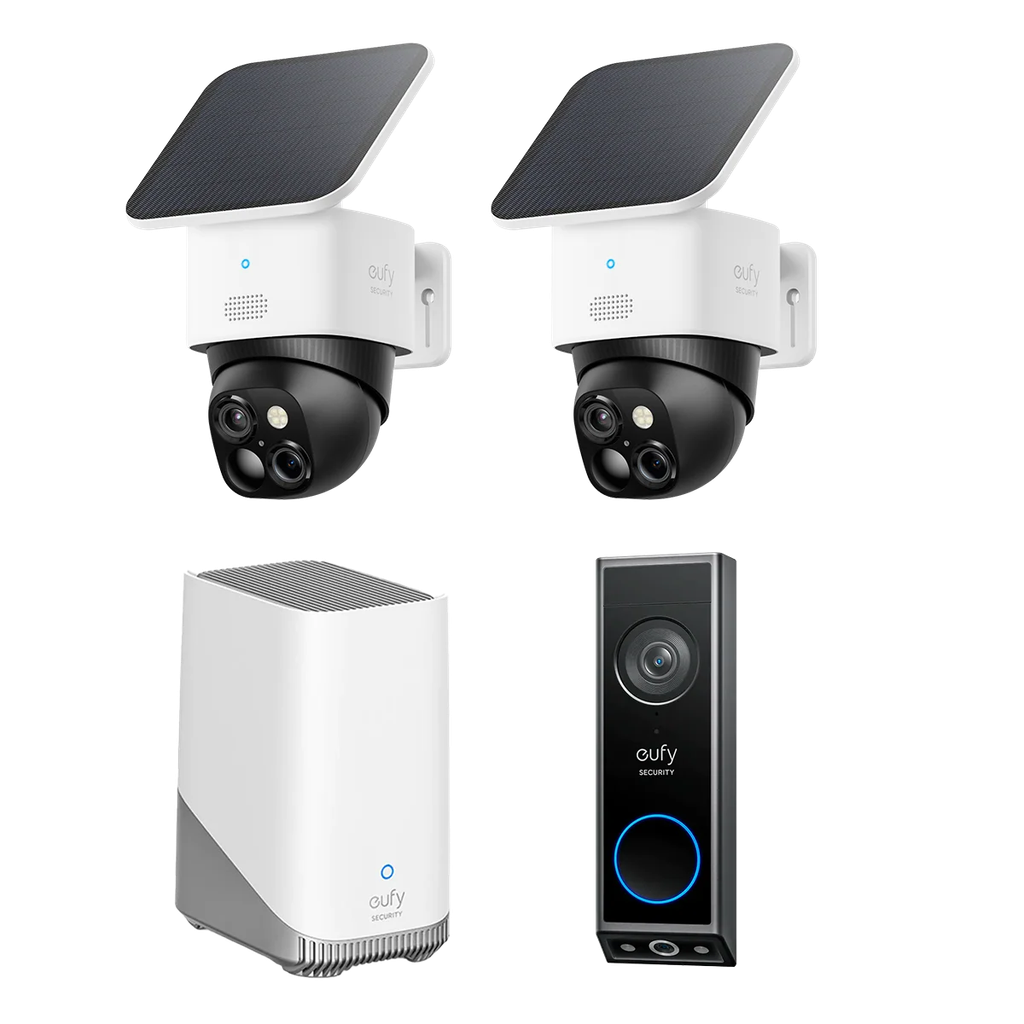
In selecting an outdoor camera, you can consider different sizes and types that suit your purposes best. You may go for a bullet-style camera that stands out in a direction, or choose dome-camera model that takes up less space. Some models feature a remote pan-tilt system which is quite user-friendly.
Evening Surveillance for Increased Safety
Avoidance of darkness is quite challenging for outdoor camera surveillance. A camera’s night vision capability is such that it is able to capture the video in very low-light level situations, therefore, being able to let you know what has been going on near the house or the paths. Most night vision technology utilizes IR that results into monochrome imagery but lately some models have come out that are able to produce color video footage even in the dark via an auxiliary light source. Having a property that has dim-lit areas you can look at night vision coverage and illumination characteristics of different models.
The Life of the Battery and Power Conservation
Security cameras: How long the battery lasts is a key factor in the camera’s ease of maintenance. A recorder that is always on will consume more electricity than the one working only when a motion is picked up by it. Extreme cold, a weak wireless signal, and particular video recording modes may be factors reducing the battery life too. It is always a good idea to have a glance at the manufacturer’s approximate battery time figures as well as the charging requirements to decide on a camera best suited to you. Solar power could become a charging source for some models during the day hours the sun is out of clouds.
The Need for the Weather-Proof Capability of Outdoor Equipment
To work in the open, a camera and related hardware will have to do more than survive the occasional downpour. The effect of elements like dust, the level of humidity, direct sunlight, and fluctuating temperatures will have to be taken into account. Therefore, look out for a weather protection capability of at least the grade that will be acceptable under your local conditions.
If possible, find an outdoor hiding spot for the camera that also has the advantage of not requiring frequent battery or power checks. Yet, the device ought to have its view from the camera not blocked in any way. If you read and follow guidelines given in the manual, especially those regarding how to install a product properly, then weather-related troubles are less probable to occur.
Determining the Camera’s Optimal Location for Good Coverage
Where you put the camera might, at times, count as much as the features which it has.
Make sure it is in a place where it can easily cover the whole scene without being blocked up or anything. Typical spots to place them could be entry points, the garage doors of your house, any place through which your road or driveway runs. Try your best not to point the camera directly at any source of bright light, because otherwise, you are likely to end up with a situation where you can hardly see the picture due to the brightness of the light.
Final Thoughts
Picking a good surveillance camera starts off by weighing several factors like video resolution, water/weather resistance, power methods, storage, and how user-friendly is the product. A camera that functions properly in an external setting provides one of the best ways to observe an area and always be one step ahead.
FAQs
What Is the Best Outdoor Camera That I Can Get?
Choose a camera that provides excellent HD video recording, has night vision that gives you clear images even in dark areas, and is resistant to weather conditions. The reliability of the camera signal is a key component and the storage should also be large enough to handle the camera footage.
Local or Cloud Storage Which One To Choose?
When considering which one is going to be the better fit, local storage can be an option to save some money with the subscription in the long run. Cloud storage, on the other hand, can make the remote access a little easier.
How Often Should I Clean an Outdoor Camera?
In order not to miss any detail, especially if it’s something not regular, check the status of your camera and the lens.