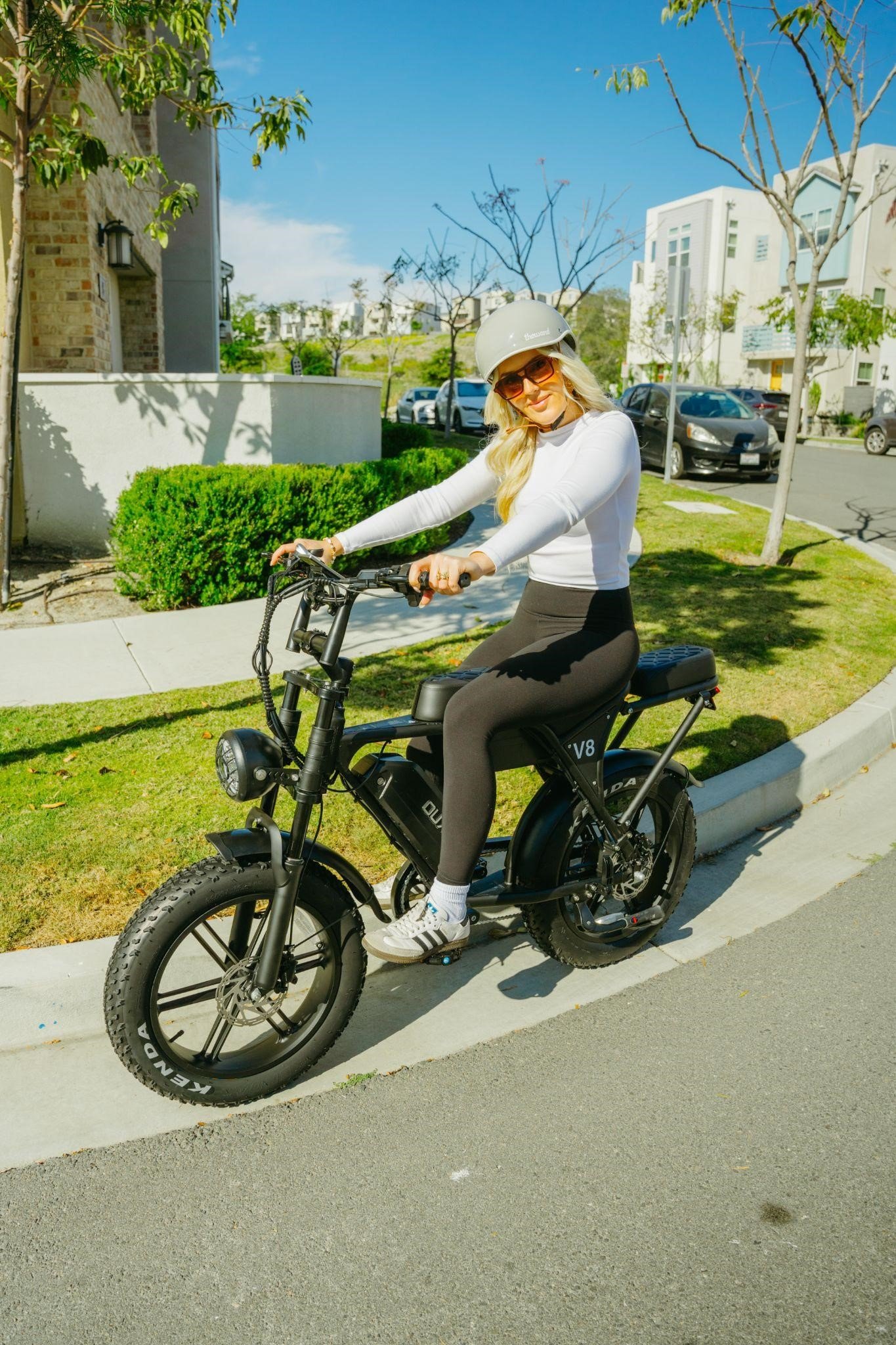
An electric bike can make short journeys easier, reduce reliance on a car, and give riders more flexibility when navigating busy towns. But a model that looks impressive in an online listing may not be the best choice for everyday transportation. Comfort, braking, battery performance, storage, and legal eligibility all affect how useful an electric bike will be after the excitement of a new purchase wears off.
For anyone looking for a street legal ebike, the most productive approach is to work backward from the journey they need to make. Consider the route, local regulations, and practical demands of daily riding before comparing motor power or styling.
Picture a Typical Week of Riding
Start by examining the trips the bike will actually handle. A commuter travelling along paved roads may need a street legal ebike with reliable lighting, mudguards, a comfortable riding position, and enough battery capacity for a round trip. Someone who combines cycling with public transportation may prefer a lighter frame that is easier to lift and store. A rider travelling over rough paths may have different priorities, including additional traction, a more forgiving riding position, and tires suited to uneven surfaces. These needs can influence the choice of frame, suspension, and wheel design.
It is also worth considering the less obvious parts of ownership. Where will the bike be stored overnight? Is there a secure place to lock it? Can the battery be charged conveniently and safely? Will the bike fit through a doorway or into a storage area? Answering these questions early can eliminate unsuitable options before time is spent comparing specifications.
Understand What a 2000W Rating Really Tells You
A fat tire electric bike 2000w may attract attention because it combines wide tires with a comparatively powerful motor. That combination can be useful in some riding environments, but the wattage figure alone does not explain the bike’s complete performance. Motor output affects the assistance available to the rider, while acceleration and speed also depend on the controller, battery, gearing, total weight, and design. Manufacturers may advertise peak wattage, continuous rated power, or both. These figures should not be treated as interchangeable.
Higher output may be appealing when a vehicle is designed for demanding terrain, but it can bring trade-offs for everyday transportation. A heavier bike may be harder to carry or maneuver in a confined space, while frequent high-power operation can increase energy consumption. Most importantly, a 2000W rating may place a model outside the legal definition of an ordinary electric bicycle in some jurisdictions. Before considering it for road use, verify the exact specifications and classification under the rules that apply locally.
The Legal Details That Deserve Your Attention
Road-use eligibility is not determined by appearance or marketing language. Authorities may consider motor power, maximum assisted speed, throttle operation, pedal configuration, and other vehicle characteristics. Depending on the jurisdiction, a qualifying electric bicycle may be permitted on certain roads and cycling paths without the requirements imposed on motor vehicles. A more powerful model may instead fall into a moped or motorcycle category, potentially requiring registration, insurance, a licence, or specific equipment.
Rules can also differ between locations within the same country. A vehicle permitted on a particular road may not be allowed on a shared path or pedestrian route. Before purchasing, obtain the exact model’s technical specifications and relevant compliance documentation. If the seller cannot clearly explain its classification, consult the appropriate transport authority. It is far easier to resolve these questions before spending money than after discovering that the bike cannot legally be used for its intended purpose.
Fat Tires: Comfort Has Its Limits
Wide tires can offer benefits on loose gravel, packed dirt, and certain uneven surfaces. Their larger air volume can help absorb some minor bumps, and suitable tread can improve grip in conditions where a narrow road tire may struggle. However, tire width is only one part of the riding experience. A wide tire with an unsuitable tread pattern or incorrect pressure may not perform well on the surface for which it is being used. Wider tires can also increase rolling resistance, depending on their construction and inflation.
For a mostly paved commute, a conventional tire may provide a more efficient ride. For a route that includes rough sections, a wider setup may be worth considering. The best option depends on the terrain, the bike’s weight, and the rider’s priorities rather than on tire size alone.
A Short Test Ride Can Reveal Important Problems
If a test ride is available and permitted, use it to assess the practical handling of a fat tire electric bike 2000w instead of focusing only on acceleration. Begin in a quiet, open area and pay attention to how naturally you can start, stop, turn, and maintain balance. Notice whether the brakes respond smoothly, whether the riding position causes discomfort, and whether the bike feels manageable when moving slowly. Check that you can reach the controls without stretching and that the frame suits your height.
Ask how the battery is removed, what charging equipment is supplied, and how replacement parts can be obtained. Review the maintenance schedule and warranty terms as well. When comparing options from manufacturers such as OUXI, judge the specifications and documentation of the individual model rather than relying on the brand name alone.
Keep Ownership Practical After Purchase
Daily reliability depends on regular care, especially when riding a fat tire electric bike 2000w. Check tire pressure and condition, inspect the brakes, keep lights working, and follow the manufacturer’s instructions for cleaning and storage. Avoid exposing electrical components or the battery to conditions prohibited by the manufacturer. Plan charging around your normal routine and use the specified charger. If the bike develops unusual electrical behaviour, damaged wiring, or unreliable brakes, stop using it until the problem has been assessed. These habits are especially important for heavier or more powerful models, where controlling the vehicle and bringing it to a stop may require more attention.
Final Thoughts
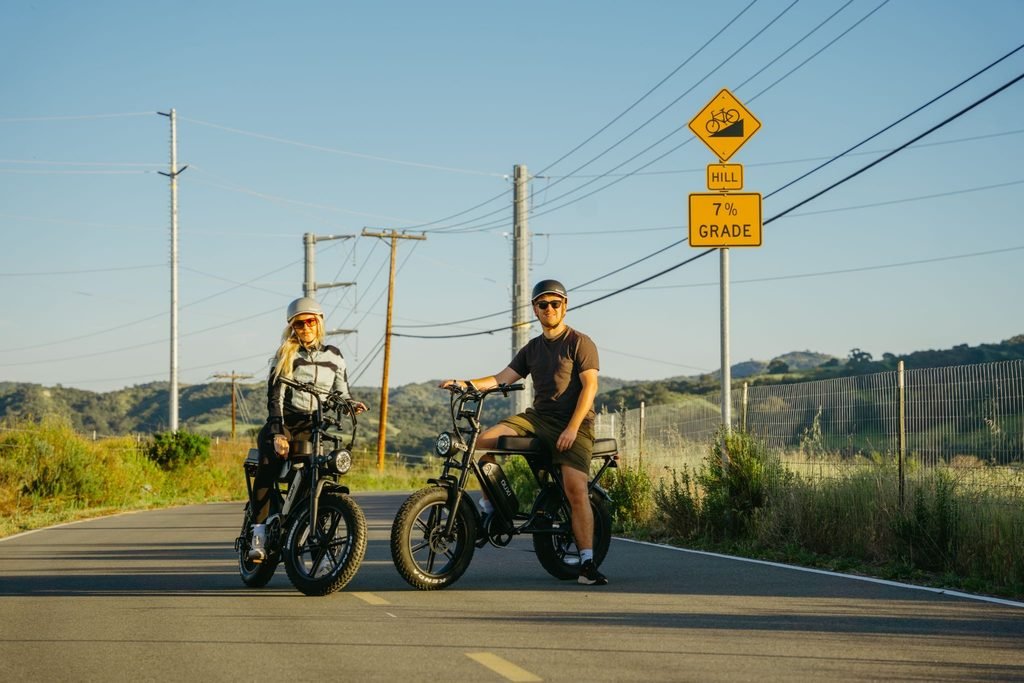
Choosing an electric bike for everyday road use is a practical decision, not simply a search for the highest motor rating. Route requirements, rider comfort, tire design, battery needs, maintenance, and secure storage all influence long-term satisfaction. A powerful fat-tire model may suit certain riding conditions, but it should not automatically be assumed to qualify as a street legal ebike. Confirm its legal classification first, then compare its features against the journeys you actually make. This approach helps ensure that the bike you choose is useful, manageable, and appropriate for its intended environment.
Frequently Asked Questions
1. Is a 2000W electric bike suitable for commuting every day?
It depends on the route, the bike’s design, and local law. Such a model may be heavier or more powerful than necessary for ordinary commuting, and its classification may prevent it from being used as a conventional e-bike.
2. How can I tell whether a bike’s advertised motor rating is accurate?
Ask for the manufacturer’s technical documentation and check whether the stated figure is continuous rated power or peak output. Do not rely solely on a product title or a seller’s short description.
3. Do fat tires improve comfort on every road surface?
No. They can absorb some vibration and provide useful traction on selected surfaces, but comfort also depends on tire pressure, frame design, suspension, and road conditions.
4. What should I check before riding a newly purchased e-bike on public roads?
Confirm its legal classification, required equipment, and any registration, insurance, or licensing obligations. Also check the brakes, tires, lights, controls, and battery according to the manufacturer’s instructions.
5. How can I estimate whether the battery will last for my commute?
Consider the full round-trip distance and leave a reasonable reserve rather than relying on the maximum advertised range. Actual range varies with terrain, temperature, rider weight, speed, tire pressure, and motor-assistance settings.